
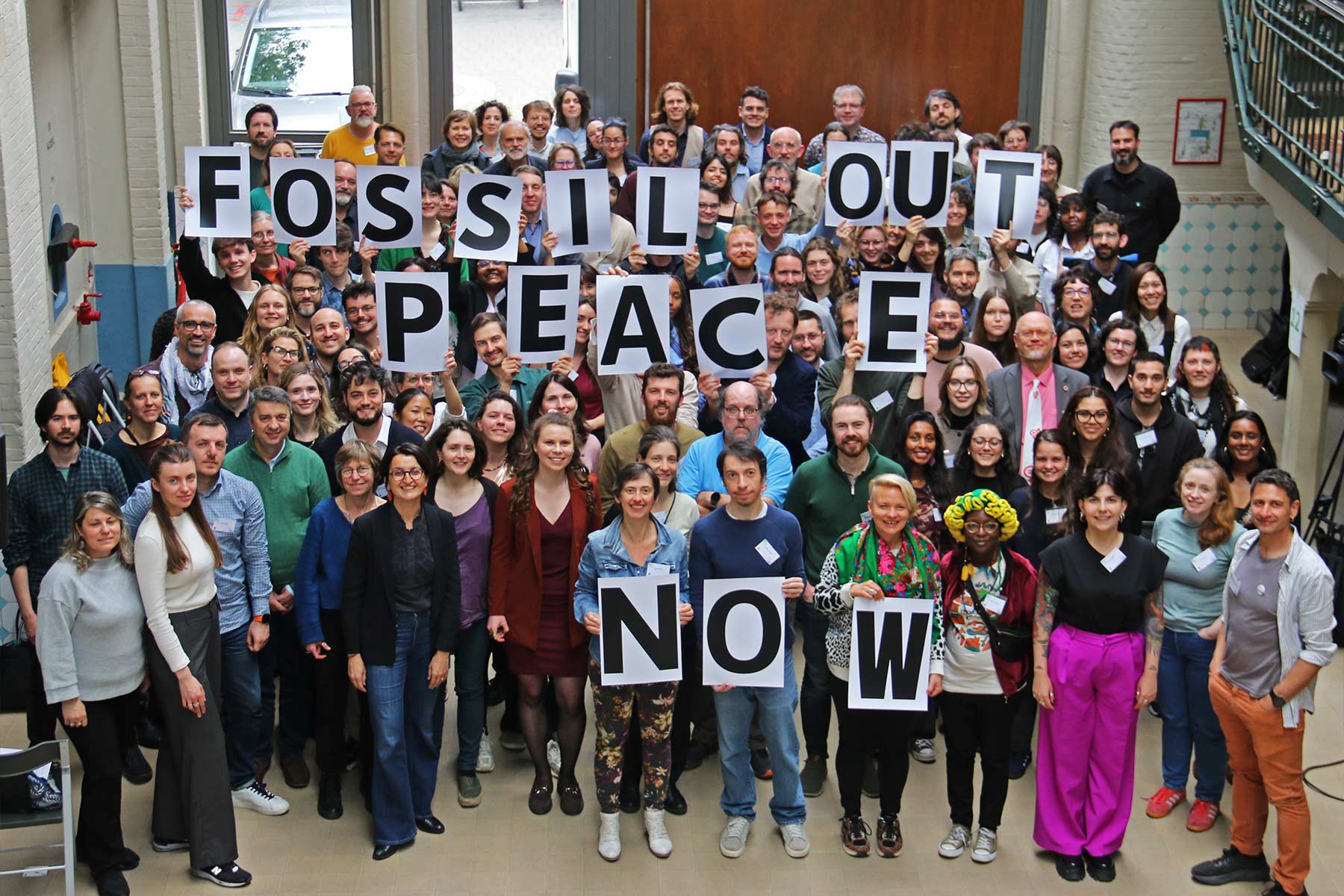
Representatives of the NGO Ecoaction took part in the Climate Action Network Europe (CAN Europe) General Assembly on April 21–23. CAN Europe unites more than 200 organizations from across Europe working to address the climate crisis.
CAN Europe is the European branch CAN International, a global network of over 1,900 civil society organizations in 130 countries worldwide. Within this network, organizations coordinate common positions, influence climate policymaking at the European and international levels, carry out advocacy campaigns, and strengthen the role of civil society in decision-making processes.
This year’s CAN Europe General Assembly focused on the EU’s role in phasing out fossil fuels, strengthening energy security, and accelerating the deployment of renewable energy amid ongoing geopolitical instability.
For Ecoaction, participation in the event was an opportunity not only to strengthen cooperation with European partners, but also to highlight Ukraine’s perspective on climate policy, just transition for communities, and how war impacts the climate.
Ukraine’s voice in climate discussions
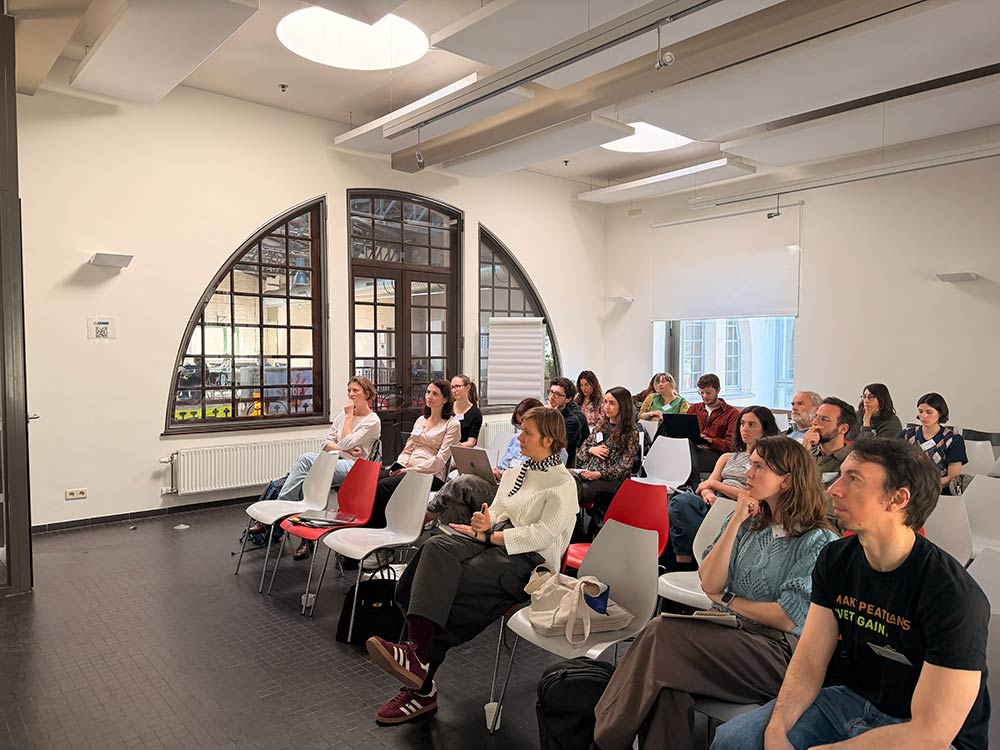
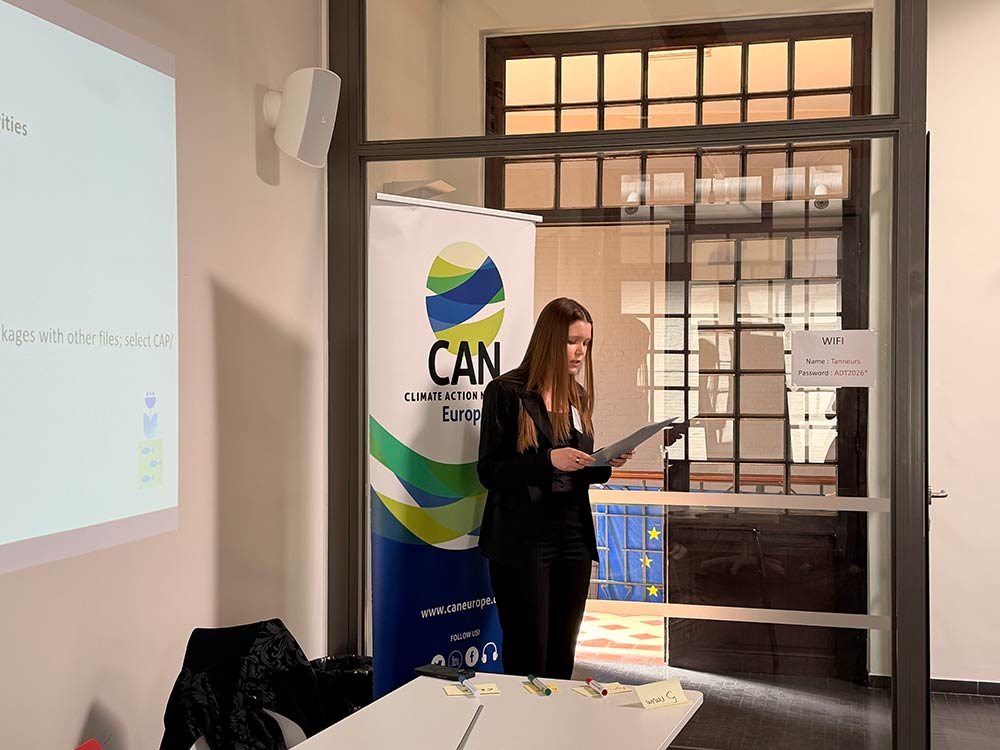
During a networking session focused on shared experience among Network members, Ecoaction spoke about the climate damage caused by the war and possible mechanisms for documenting damages. The discussion format created space for participants to exchange knowledge on the current progress of climate reparations at the international level, including how Ukraine’s experience could be relevant for other countries facing climate-related damages caused by the military aggression.
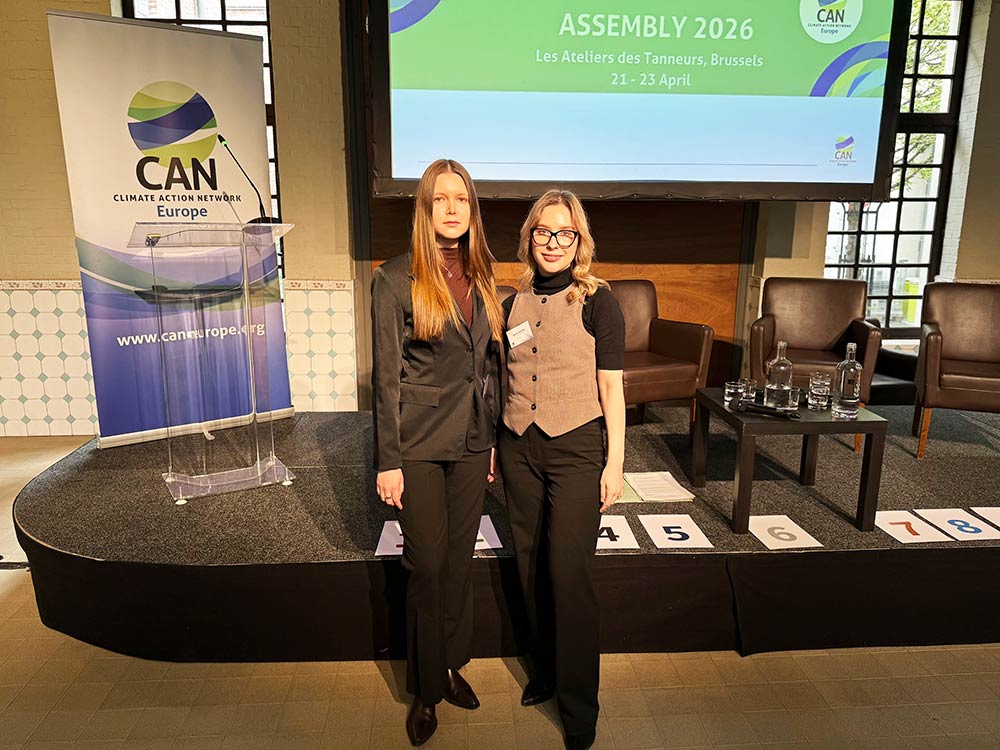
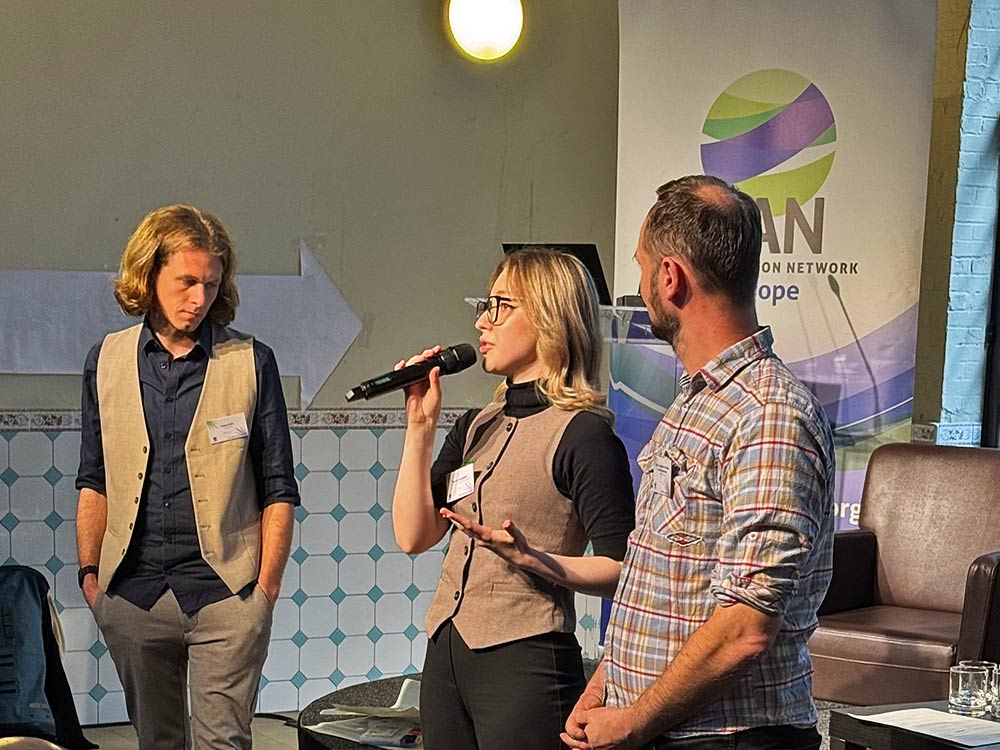
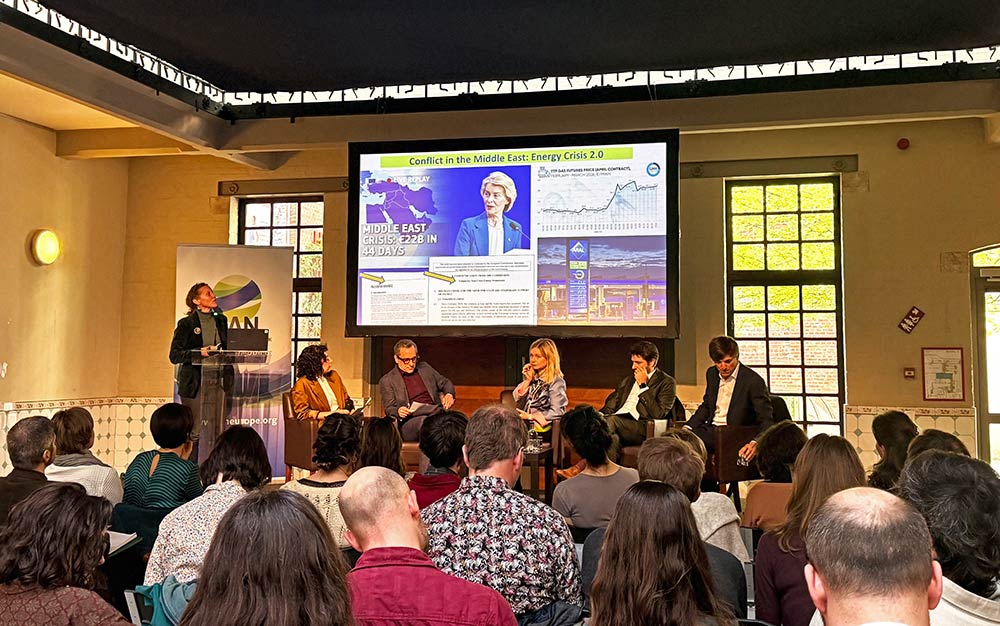
Ecoaction’s experts also had an opportunity to speak with representatives of the European Commission and environmental NGOs closely engaged with EU institutions. Among the key topics on the agenda were the launch of the new EU Emissions Trading System (ETS-2), the implementation of the Carbon Border Adjustment Mechanism (CBAM), the phase-out of fossil fuels, and the role of nuclear energy in this transition. The discussions highlighted how the focus of EU climate policy is increasingly shifting toward addressing the energy crisis and ensuring economic resilience. The transition to renewable energy and reduced dependence on fossil fuel imports are becoming not only climate priorities, but also strategic and security priorities.
“As part of the thematic workshop on climate policy in the land-use sector, Ecoaction presented the main areas of its work and priorities related to forestry and agriculture. We shared key challenges facing Ukraine and approaches to addressing them. In particular, we spoke about the need to expand protected natural areas, implement the EU Nitrates Directive, conservation of pastures, and ensure sustainable agricultural land management,” said Olga Adamenko, Climate Department Specialist at Ecoaction.
Dialogue with the European Commission
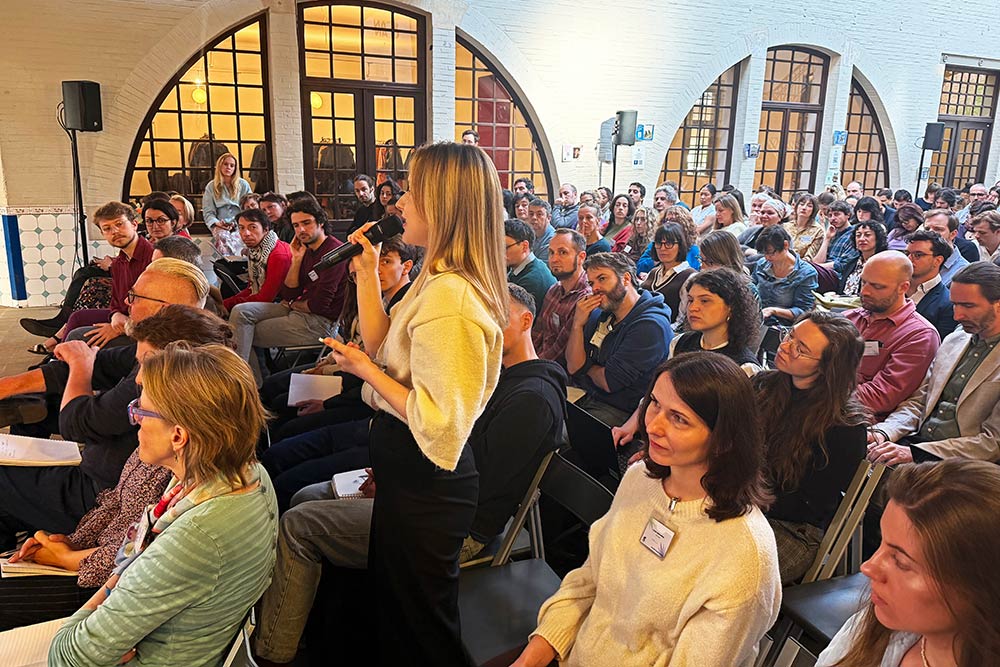
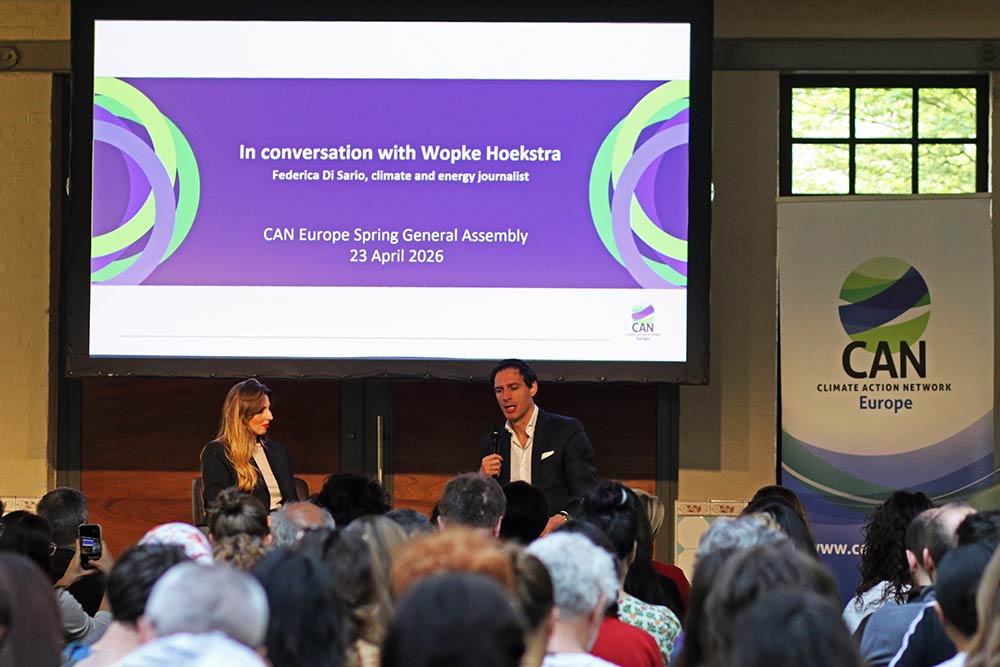
Members of Climate Action Network Europe also met with Wopke Hoekstra, European Commissioner for Climate, Net Zero and Clean Growth. Among other topics, the Commissioner addressed the role of the European Commission in implementing the Ukraine Facility — particularly decision-making processes, the provision of recommendations, and, most importantly, the monitoring of Ukraine’s progress in fulfilling requirements related to European integration. Wopke Hoekstra highlighted that the EU continues to actively support Ukraine and, given the difficult circumstances caused by the war, the Ukrainian government and parliament are being given sufficient time to develop, adopt, and implement their commitments.
Strengthening cooperation and creating new opportunities
Participation in the CAN Europe General Assembly was an important step toward strengthening the role and voice of Ukrainian civil society organizations at the European level. Building new partnerships, exchanging experience, and gaining a deeper understanding of EU climate policy create additional opportunities to advance Ukraine’s interests at both the European and global levels. At the same time, this is a two-way dialogue: we gain a better understanding of the challenges and priorities shaping the work of civil society organizations across EU countries, while also having the opportunity to share Ukraine’s experience, particularly in the context of European integration.