
At COP29, Ukraine Presented a Methodology for Calculating Climate Damage from War
This approach enables a comprehensive assessment of the climate damage resulting from russia’s aggression.

This approach enables a comprehensive assessment of the climate damage resulting from russia’s aggression.
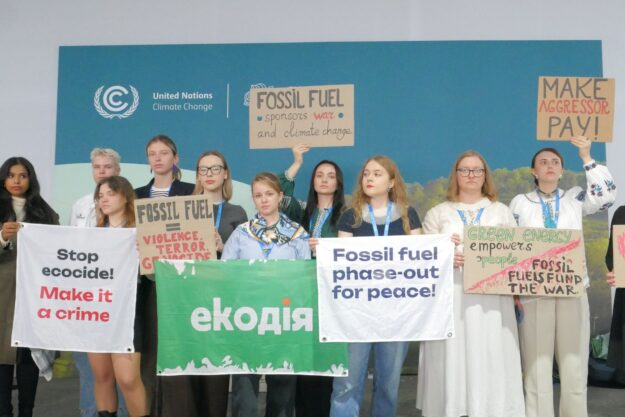
The event was dedicated to the 1,000th day since the start of Russia’s full-scale invasion of Ukraine.
Experts have developed methodological guidance that can be used to estimate greenhouse gas emissions (GHG) as a result of armed conflicts.
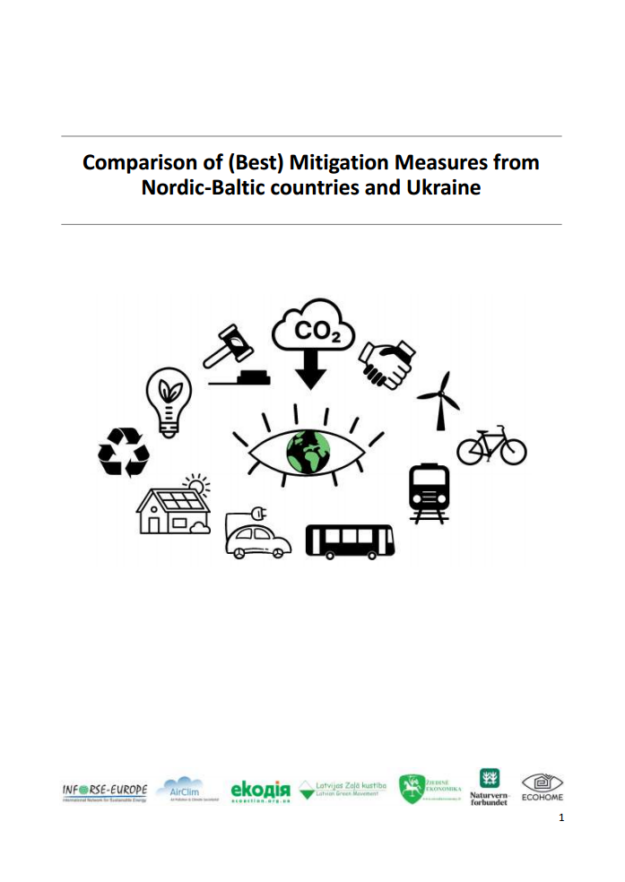
Now there is a need to combine short-term recovery measures with longer term strategies.
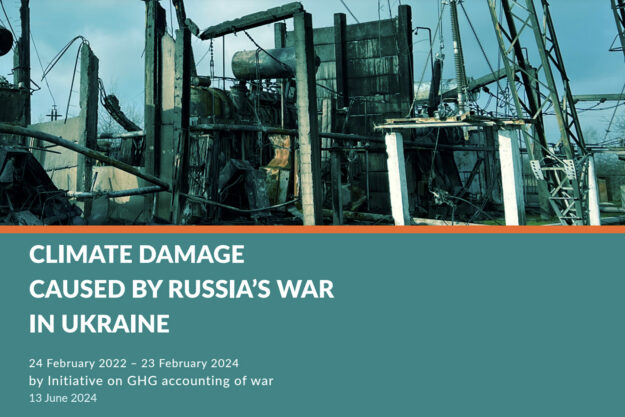
The total climate damage caused by the russian federation in two years of full-scale invasion of Ukraine amounts to $32 billion.
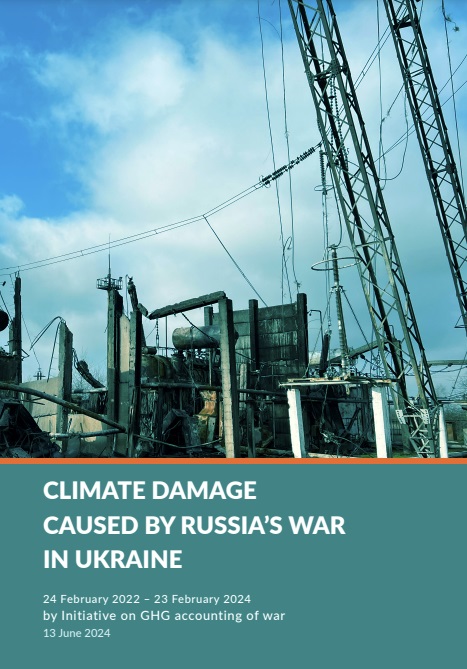
The fourth interim assessment of GHG emissions attributable to 24 months of the full-scale war.

We believe it is necessary to emphasize that all goals, policies and measures of the NECP until 2030 should be in line with the EU’s goals and standards.
This brief outlines the current state of play in the field of green energy recovery in Ukraine.
As the full-scale invasion of Russia to Ukraine interfered, the baseline for environmental and climate change engagement in Ukraine has changed drastically.
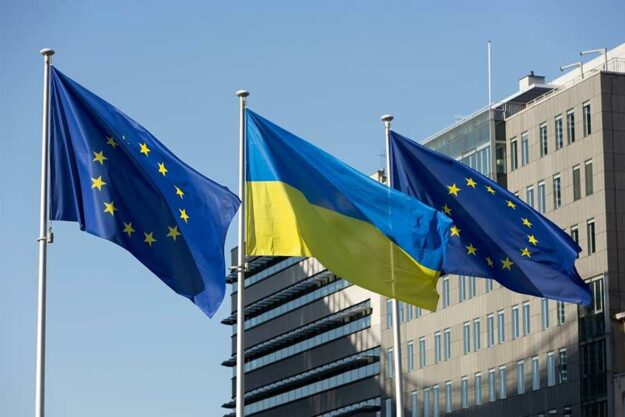
We welcome the adopted Ukraine Facility Regulation, which confirms the EU’s longstanding support for Ukraine.